
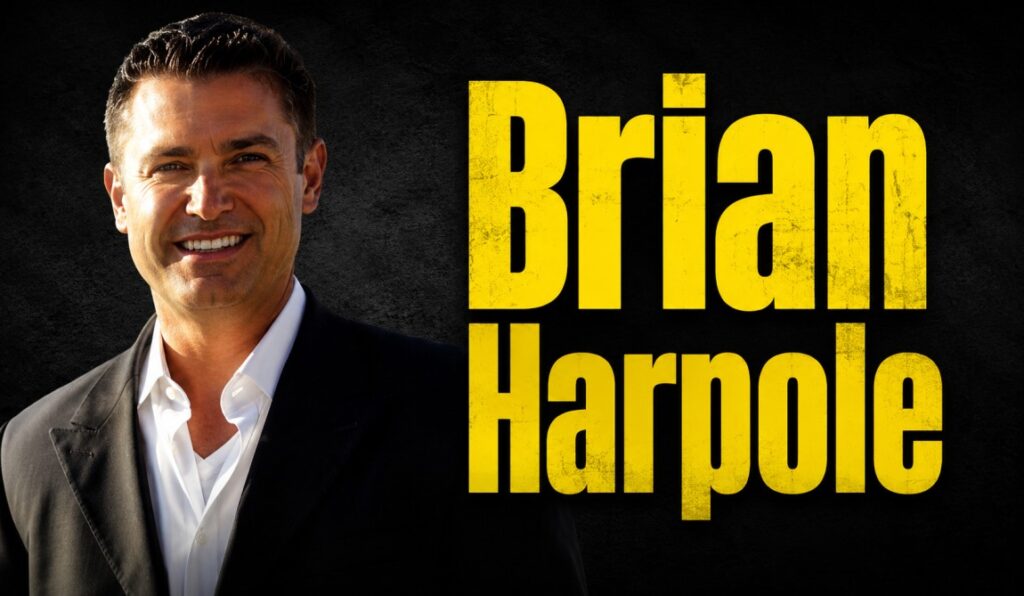
Brian Harpole, the man tasked with overseeing Kirk’s safety, came from a law enforcement background. That background shaped how he approached the job, what he prioritized, and what he missed. The problem wasn’t a lack of effort or courage. It was a mismatch between the skills he had and the skills the role actually demanded.
This article breaks down why police training and executive protection (EP) are not interchangeable, what Harpole’s history suggests about his readiness for the assignment, and what principals, security directors, and families can learn from the gap that cost a public figure his life.
Police Work and Executive Protection Are Not the Same Job
People often assume that anyone who’s carried a badge is automatically qualified to protect a high-profile client. That assumption is one of the most persistent — and dangerous — myths in the private security world.
Quick answer: Law enforcement and executive protection share a few surface-level similarities, like firearms proficiency and situational awareness, but they train for opposite outcomes. Police officers are trained to respond after something happens. Protection specialists are trained to stop it from happening at all.
The Skills That Transfer — And the Ones That Don’t
Some skills genuinely carry over from a policing career: weapons handling, physical fitness, command presence, and comfort operating in high-stress environments. Those are useful building blocks.
But the skills that matter most in close protection rarely show up in a police academy curriculum:
- Reading crowd behavior before an incident unfolds
- Mapping a principal’s routine to spot predictable exposure
- Designing movement routes that limit vulnerability
- Coordinating a small protective team without radios or backup
These are learned through dedicated protective training, not general law enforcement service.
Reactive Policing vs. Proactive Protection
| Focus Area | Law Enforcement | Executive Protection |
| Primary goal | Respond to crime, make arrests | Prevent harm before it starts |
| Mindset | Reactive | Proactive and preventive |
| Success looks like | A suspect is caught | Nothing happens at all |
| Core skill | Investigation, enforcement | Threat detection, exposure control |
| Training source | Police academy, patrol experience | Specialized protective courses, advance work |
A police officer measures success by how well they handle a crisis after it starts. A protection specialist measures success by making sure the crisis never begins.
Why This Confusion Keeps Getting People Hurt
This mix-up isn’t rare. Security firms, event organizers, and even wealthy families frequently hire retired or off-duty officers because the title feels like a guarantee of competence. It isn’t. Hiring based on a badge instead of a protective skill set has led to preventable failures across the industry — and Kirk’s case may be one of the clearest recent examples.
What Brian Harpole’s Background Actually Prepared Him For
Understanding what went wrong starts with understanding what Harpole’s career actually trained him to do.
A Law Enforcement Career Built on Reaction, Not Prevention
Harpole’s professional history follows a familiar law enforcement path: patrol duty, tactical response, and crisis management after an incident has already occurred. That kind of experience builds confidence under pressure, but it doesn’t build the preventive mindset that protective work requires.
Someone trained this way tends to think in terms of “how do we respond if something happens” rather than “how do we make sure nothing happens.” That distinction sounds small. On the ground, it changes almost every decision a protection lead makes — from where a principal stands to how a route gets planned.
The Skills Gap Nobody Flagged Before Kirk’s Death
There’s no indication anyone questioned whether Harpole’s law enforcement resume actually qualified him to lead protection for a high-visibility political figure. That’s not unusual — it’s the industry norm. A badge and tactical experience are often treated as sufficient credentials, even when the job calls for a completely different skill set.
The Executive Protection Fundamentals Most Officers Never Learn
Real protective work rests on a handful of core disciplines. Most of them are never covered in a standard police career.
Tactical Observation Points (TOPs) and Why They Matter
A properly chosen observation point does more than give a clear sightline. It accounts for how people move through a space, where blind spots form, and how an attacker might exploit the same vantage point a protector is using. Choosing these positions well requires understanding crowd flow and geometry, not just tactical positioning.
Reading a Crowd for Threats Before They Materialize
Spotting a threat in a crowd isn’t about instinct or a “gut feeling.” Trained protectors rely on:
- Baseline awareness — knowing what normal behavior looks like in a given setting so anomalies stand out
- Distance and approach patterns — noticing who closes in too fast or too early
- Pre-incident indicators — small physical cues that often precede an attack
None of this is standard material in a police training program, which focuses far more on procedure and use-of-force response than behavioral threat detection.
Two-Person and Team Coverage Dynamics
Small protective teams have to move like a single unit even with limited manpower. That means knowing how to shift roles between lead and support without a word being spoken, how to maintain a protective buffer around a principal, and how to handle chokepoints — doorways, stairwells, narrow crowd gaps — where exposure spikes.
Advance Work: The Part of EP That Happens Before Anyone Shows Up
Most of what keeps a principal safe happens long before an event starts. Advance work includes walking a venue ahead of time, identifying entry and exit points, coordinating with venue staff, and building a route plan that avoids predictable exposure. Skipping or rushing this step is one of the most common — and most costly — mistakes in protective assignments involving public figures.
Why the Stakes Get Higher for High-Profile Clients
Protecting a private individual and protecting a public figure are not the same challenge.
Public Figures Attract Predictable, Trackable Risk
A political figure like Kirk announces his schedule publicly, speaks at advertised venues, and draws large, identifiable crowds. That visibility creates a level of predictability that makes advance planning essential — and makes shortcuts far more dangerous than they would be for a lower-profile client.
The Cost of Treating a Political Figure Like a Routine Assignment
Treating a high-visibility assignment like a standard security detail — without the depth of planning, route control, and behavioral awareness it demands — leaves exactly the kind of gaps that a motivated attacker can exploit.
The Industry Habit That Keeps Creating This Problem
Hiring Off-Duty Officers as Freelance Protection
It’s common practice, especially around high-profile events, to bring in off-duty or retired police officers for security coverage. It feels like a safe bet. Often, it isn’t.
Competency Gaps: A Badge Isn’t a Protective Credential
Being a sworn officer doesn’t automatically translate into protective skill. Threat assessment, route planning, and behavioral detection are specialized disciplines that require dedicated training most officers never receive during their law enforcement careers.
The Legal Gray Zone Around Armed Freelance Work
In many states, armed private security work must be conducted under a licensed security firm, with proper insurance and regulatory oversight. An officer working security informally, outside that structure, can create legal exposure for everyone involved — the officer, the organizer, and the client.
The 1099 Trap: How “Cheaper” Security Gets Expensive Fast
Paying an off-duty officer directly as an independent contractor might look like a cost-saving move. But without proper licensing, insurance, and workers’ compensation coverage behind the arrangement, the client absorbs enormous liability if anything goes wrong. What looks cheap on paper can become financially devastating after an incident.
Why Most Police Officers Don’t Qualify as Protection Agents
The Certifications and Experience Real EP Work Requires
Legitimate protective agents typically need specialized executive protection training, a background in private security operations, and often licensing specific to their state or region. Very few full-time law enforcement careers include this parallel track.
How to Tell the Difference When Vetting a Provider
| Credential to Check | Why It Matters |
| Dedicated EP training certificate | Confirms preventive, not just reactive, skill training |
| Licensed security firm affiliation | Ensures legal and insurance coverage |
| Advance work experience | Shows they can plan, not just react |
| Client references in high-profile settings | Confirms real-world protective experience |
What Principals and Organizations Should Ask Before Hiring
Questions That Expose Real Experience
Before hiring a protective lead or team, decision-makers should ask:
- What specific executive protection training have you completed?
- Are you operating under a licensed security firm?
- What does your advance work process look like?
- Can you describe your experience with behavioral threat detection?
- Who carries liability insurance for this engagement?
Red Flags in a Security Provider’s Resume
Watch for vague answers about training, an overreliance on law enforcement titles instead of protective credentials, no clear advance-work process, and no verifiable insurance or licensing structure behind the arrangement.
The Real Lesson From the Harpole Case
This Wasn’t Bad Luck — It Was a Preventable Mismatch
Harpole’s background wasn’t the problem in isolation. The problem was placing someone trained for reactive law enforcement into a role that demanded proactive, preventive protective expertise. That mismatch is exactly the kind of structural failure that gets overlooked until it’s too late.
What Needs to Change in How Protection Teams Are Built
Organizations hiring protective leads for high-visibility figures need to stop treating law enforcement experience as an automatic qualification. Real vetting means checking for dedicated protective training, licensing, and a track record of advance planning — not just a badge number.
FAQs
What is the difference between law enforcement and executive protection?
Law enforcement responds to crimes after they happen, while executive protection focuses on stopping harm before it ever starts.
Was Brian Harpole a trained bodyguard before working with Charlie Kirk?
His background was rooted in policing, not in specialized close-protection training built around prevention and threat detection.
Why do police officers often struggle in private security roles?
Their careers center on procedure and response, so they rarely receive instruction in advance planning or behavioral threat spotting.
Is it legal to hire an off-duty police officer for armed security work?
In most states, armed protective work must run through a licensed security firm, so freelance arrangements can create serious legal risk.
What should someone look for when hiring a protection specialist?
Look for verified executive protection training, proper licensing, insurance coverage, and a documented history of advance planning.
Why does protecting a public figure require more planning than protecting a private client?
Public figures follow published schedules and draw large crowds, which makes their movements predictable and easier for a threat to exploit.
Could Charlie Kirk’s shooting have been prevented with proper protective training?
Experts point to a mismatch between reactive police training and the proactive skills real protection work demands as a major contributing factor.
Final Thoughts
Charlie Kirk’s death forced a hard question into public view: does a law enforcement background actually qualify someone to run close protection for a high-profile figure? As this breakdown shows, the answer is almost always no. Brian Harpole’s résumé reflected years of reactive policing, not the preventive, behavior-driven discipline that protective work demands. That distinction, easy to overlook on paper, turned out to matter enormously in practice.
For anyone tasked with securing a public figure, a corporate leader, or a private family, the takeaway is simple. A badge signals one kind of training. Executive protection requires another. Verify credentials, confirm licensing, and insist on real advance-work experience before handing anyone that responsibility. The gap that failed Kirk’s security team is preventable, but only if organizations stop treating law enforcement service as a substitute for genuine protective expertise.

I’m Rainlord, the creator of AgeBioHub. I focus only on writing age-based articles, answering simple questions like how old a person is.
Instead of covering multiple topics, I stay dedicated to this niche to keep my content clear, consistent, and useful. My goal is to provide quick and accurate age information in a way that’s easy for anyone to understand.